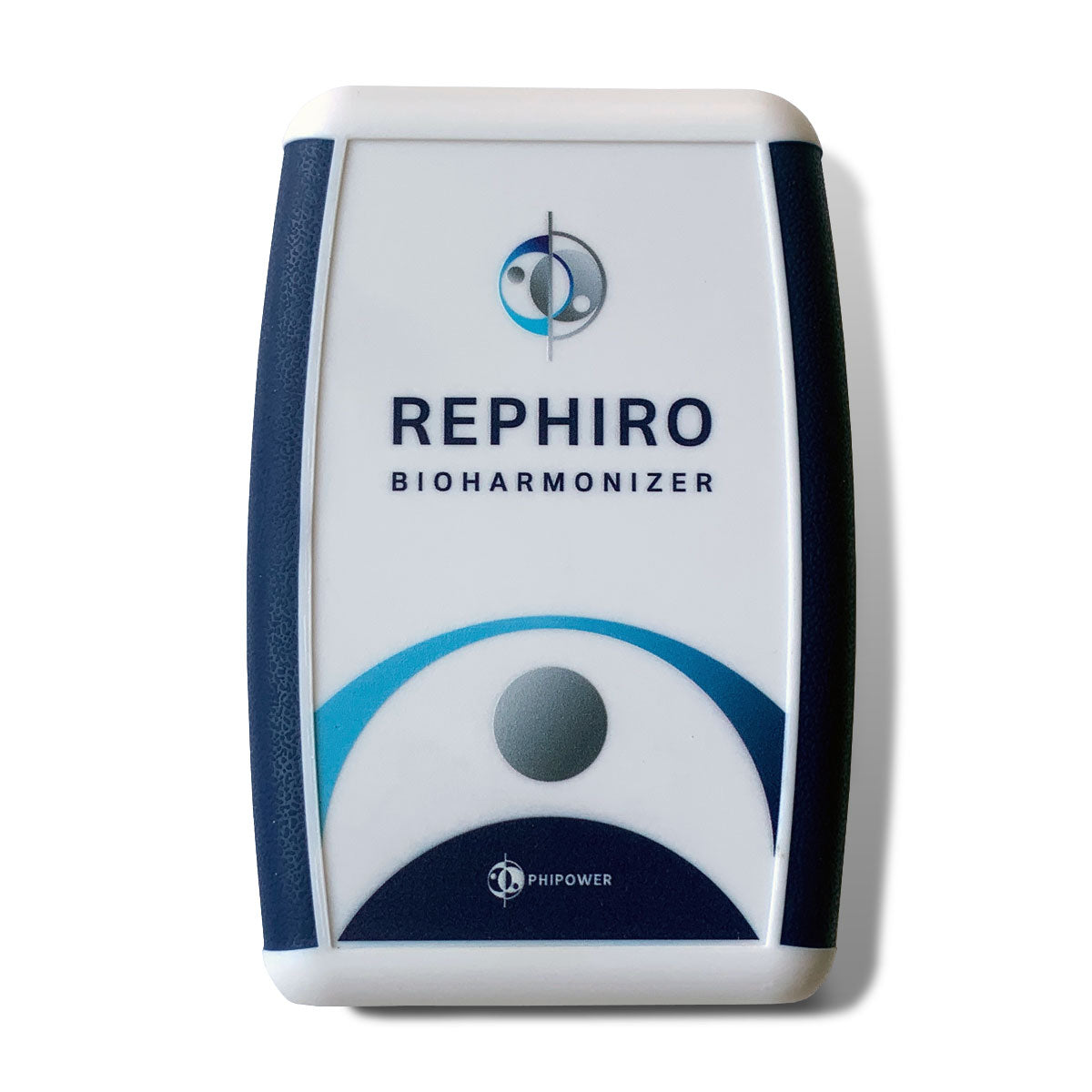
If you are interested in frequency wellness, sooner or later an important question comes up: if frequencies are intended to interact with unwanted microorganisms, could they also affect the beneficial bacteria we depend on?
It is a good question. The human body hosts an enormous microbial ecosystem — intestines, mouth, skin and airways contain bacteria, fungi and other microorganisms that interact continuously with digestion, metabolism and immune function. Any technology discussed in relation to microorganisms deserves a more thoughtful conversation than simply calling microbes "good" or "bad".
There is currently not enough high-quality clinical research to conclude that consumer frequency devices selectively eliminate harmful microorganisms while leaving beneficial bacteria untouched. The theory behind frequency selectivity is interesting, and understanding it explains how Rife-inspired systems were developed — but a theory is not a demonstrated clinical effect.
Your microbiome is an ecosystem, not an enemy
The word bacteria often sounds negative. In reality, many microorganisms are normal and valuable inhabitants of the human body. Your intestinal microbiome is a complex community interacting with food, the gut lining, metabolites and the immune system. Different organisms perform different functions, and the balance between communities matters more than simply having more or fewer bacteria.
A wellness approach aimed at microorganisms should therefore avoid a "destroy everything" mentality. The more useful question is: can we support a balanced biological environment without unnecessarily disturbing the organisms that belong there? That question is one reason selectivity became such an important idea in historical frequency research.
The Rife concept: can different organisms respond to different frequencies?
Royal Raymond Rife became associated with the idea that microorganisms could respond differently to specific electromagnetic frequencies. The historical theory proposed that every organism possesses physical and electrical characteristics that might cause it to respond more strongly to certain frequencies than others — a concept later associated with the term Mortal Oscillatory Rate (MOR).
The idea is often compared to resonance. A tuning fork tuned to one note responds most strongly to that note; in a simplified analogy, Rife-inspired theory proposes that biological structures may also show frequency-dependent responses. That is the origin of the frequently repeated claim that one frequency may influence one microorganism without producing the same response in another.
A compelling theory is not the same as proven clinical selectivity
Modern biology does show that cells and microorganisms can respond to electromagnetic fields under certain laboratory conditions. That is different from proving that a consumer frequency device can reliably identify and eliminate a particular pathogenic organism inside the human body while leaving all others unaffected. That level of precision has not been established in mainstream clinical medicine.
For Phipower, this distinction matters. We are interested in the theory of resonance without presenting unresolved questions as settled science.
Would beneficial bacteria have different frequency characteristics?
Theoretically, yes. Different microorganisms differ in:
It is plausible that different organisms respond differently to external physical stimuli. But biology is considerably more complex than a collection of isolated tuning forks: microorganisms exist inside tissues, fluids, biofilms and microbial communities, and the surrounding environment influences how an electromagnetic signal interacts with them.
This is why claims such as "frequency X kills only microorganism Y" should be treated cautiously unless that specific interaction has been demonstrated experimentally.
So could frequency therapy disturb the gut microbiome?
We currently do not have strong clinical evidence showing that devices such as Rephiro either damage or preserve specific populations of beneficial intestinal bacteria. That means we should avoid both extremes.
"Frequency therapy kills your good bacteria."
"Every beneficial bacterium is completely protected."
There is simply not enough direct human microbiome research to make either statement confidently. That may sound less dramatic than some discussions surrounding Rife technology, but it is a more interesting position: it leaves room for exploration without pretending that exploration is proof.
Targeted frequencies vs. broad sweeps
Frequency devices operate in different ways. Some use relatively narrow or predetermined programs; others sweep continuously through broad frequency ranges. In theory a narrow approach is more selective, simply because fewer frequencies are introduced, while a broad sweep exposes the body to a much larger range.
This is one reason some experienced users prefer defined programs over continuously running very broad sweeps. It does not prove that a sweep harms beneficial bacteria — it illustrates why dose, frequency range, duration and method of delivery all matter.
What about frequencies reaching the gut — or the blood?
The gut is not directly exposed to external electrodes in the way skin beneath an electrode is. Current applied through skin can travel through conductive body tissues, but distribution depends on electrode position, tissue conductivity, frequency, waveform, current intensity and individual anatomy. It is too simplistic to say a frequency "travels directly to a bacterium in the intestine" — the body is a complex conductor.
Frequency communities sometimes describe blood as an "information highway", and there is a useful metaphor there: blood genuinely moves oxygen, nutrients, metabolites, hormones, immune cells and countless signalling molecules throughout the body. But claims that blood permanently stores or transports a specific frequency after a session remain theoretical, and reports of visible changes in live-blood microscopy should not automatically be interpreted as proof of disease treatment.
Our preferred interpretation: such observations may be interesting starting points for research, but they are not substitutes for controlled clinical studies.
Your internal environment matters
One idea from traditional natural-health thinking remains useful even without relying on controversial frequency claims: the microbiome does not exist independently of you. Microbial balance is influenced by many things:
So anyone interested in frequency wellness should not view a device as an alternative to fundamental health habits. Technology is most interesting when it becomes one element within a broader ritual — not the entire ritual.
Should you take probiotics when using frequency technology?
There is no universal scientific requirement to take probiotics because you use a frequency device. If microbiome diversity matters to you, focus first on established lifestyle factors: a varied plant-rich diet, appropriate dietary fibre and fermented foods where suitable. Probiotic supplements may be useful in certain circumstances, but strains and doses matter and more is not automatically better. With significant gastrointestinal symptoms or a medical condition, discuss microbiome interventions with a healthcare professional.
The five-minute frequency ritual
Instead of asking "which bacteria can I destroy?", consider asking: "how can I create a repeatable wellness ritual while exploring the interaction between frequencies and the body?" That change in mindset shifts frequency technology away from self-diagnosis and toward intentional wellness.
Traditional frequency systems quickly become complicated — find the frequency, create the waveform, set the carrier, connect the electrodes, determine the duration, run the program. For enthusiasts that complexity is fascinating; for most people it means the device eventually ends up in a drawer. Rephiro was designed around a different idea: press one button and take a few minutes for yourself.
A standard cycle takes around 5.5 minutes. Put your phone away. Sit somewhere comfortable. Connect the Rephiro. Start the cycle. Close your eyes and breathe slowly. For the next few minutes, do nothing else. The technology provides the structure; you provide the attention.
Can Rephiro selectively target harmful microorganisms?
Rife-inspired theory proposes that biological systems may respond selectively to particular frequencies, and that remains one of the most fascinating ideas behind frequency technology. But Phipower does not present Rephiro as a clinically proven antimicrobial treatment.
There is currently insufficient evidence to claim it can selectively eliminate a specific pathogen inside the body while guaranteeing that beneficial microorganisms remain untouched. Rephiro should be viewed as a frequency-based wellness device inspired by historical and contemporary concepts in bioelectromagnetics and resonance. That distinction makes the product no less interesting — it makes the conversation more credible.
The Phipower Rephiro Bioharmonizer is our own take on this idea: a compact, preset device rather than a laboratory-style frequency generator. For how it and other Rife-style devices actually work, what they cost and how to choose between them, see our complete Rife machine guide.
Frequently asked questions
The bottom line
Could a frequency device affect beneficial microorganisms? At present there is not enough direct clinical research to give a definitive yes or no. The theory of frequency selectivity suggests different organisms may respond differently because they have different physical and electrical properties — scientifically plausible as a research question. But the claim that every pathogenic organism has one precise destructive frequency while beneficial bacteria remain completely unaffected has not been demonstrated well enough to present as established medical science.
So our conclusion is deliberately balanced: frequency selectivity is an intriguing concept worth investigating, but your microbiome is too important to base health decisions on unproven certainty. Use frequency technology as part of a wellness practice rather than as a replacement for diagnosis, medical treatment, nutrition or appropriate microbiome care.
The Rephiro Bioharmonizer is intended for personal wellness use and is not a substitute for professional diagnosis or medical treatment. Follow the product instructions and safety guidance. People with implanted electronic devices such as pacemakers, and pregnant users, should not use the device unless specifically cleared by an appropriate healthcare professional. If you suspect an infection, microbiome disorder or other medical condition, consult a qualified healthcare provider.
Rephiro is a wellness device. It is not intended to diagnose, treat, cure or prevent disease.