This article focuses specifically on Rife machine pricing — what drives cost, why prices vary so widely, and what to actually pay for. For the broad history, technology, evidence and machine types, start with our main Complete Guide to Rife Machines →
There is no single standard Rife machine price. Current consumer products range from roughly $100–$300 for simple generators or compact preset contact devices, to around $500–$1,500 for more capable programmable systems, approximately $1,700–$3,100 for many plasma-based setups, and $3,000–$5,500+ for premium integrated packages. Prices change and the categories overlap.
What matters most is whether the price reflects features you will actually use: signal control, output architecture, contact or plasma delivery, software, accessories, support and warranty.
How much does a Rife machine cost?
Search for a Rife machine and you quickly discover a confusing market. One device may cost around €200. Another costs $700. A larger plasma system may be $2,000–$3,000, while a premium package can exceed $5,000.
That difference is not necessarily a contradiction. The term Rife machine is used for a broad family of frequency devices with very different electronic and mechanical architectures.
Simple signal generators, compact preset devices and basic contact-oriented systems. Usually limited manual control, fewer accessories and no plasma hardware.
More frequency control, multiple outputs, standalone operation, software integration or broader accessory support.
Generator plus high-frequency electronics, amplifier stages, plasma tube and the hardware needed to drive it.
Integrated ecosystems with advanced generators, multiple delivery accessories, software, larger hardware bundles and support.
Indicative consumer-market ranges, not fixed industry categories. Prices can change and shipping, taxes, upgrades and accessories may be additional.
Why do Rife machine prices vary so much?
Price is driven by much more than the number of frequencies a device can display. A complete system may combine several layers of electronics and hardware.
Generator capability
Frequency range, waveform control, amplitude, multiple channels, sweeps, modulation and standalone memory all add complexity.
Contact vs plasma
Contact devices can be compact. Plasma systems add a tube, amplifier and high-frequency power electronics, which usually raises cost significantly.
Software & accessories
Program databases, software control, electrodes, foot plates, bulbs, cases and additional modules can turn one generator into a much larger system.
Volume & certification
Low-volume specialist electronics can cost more to design, assemble, test and support than mass-market consumer electronics.
Support & warranty
Technical support, documentation, warranty handling, returns and replacement parts are part of the real ownership value.
Positioning & margin
Two systems with similar hardware can still have very different retail prices because distribution and brand strategy differ.
What should you actually pay for?
A sensible Rife-machine purchase starts by separating useful functionality from features you may never use.
Think from use case → hardware, not price → promise
Simple preset use or deep technical experimentation?
Fixed, sweep, programmable waveforms or modulation?
Contact electrodes, plasma or another architecture?
Standalone, app, software, laptop or one-button operation?
Documentation, warranty, accessories and after-sales help.
If you want to experiment with individual frequencies, waveforms and programs, paying more for configurability can make sense. If you mainly want a compact preset system, the same extra complexity may offer little practical value.
Does a more expensive Rife machine work better?
Not automatically.
A more expensive machine can certainly offer more hardware, output power, software, frequency control or accessories. But price is not a scientific measure of therapeutic effectiveness.
Higher price can buy more capability. It does not, by itself, prove better health outcomes. Clinical effectiveness would need separate evidence for the specific device, exposure and claimed use.
This is especially important in the Rife market because sophisticated electronics can look highly scientific. A real carrier frequency, precise waveform or plasma tube proves that the hardware is doing something measurable — not that every disease claim attached to the hardware has been clinically validated.
For the underlying electronics, read How Does a Rife Machine Work? Frequencies, Signals & Delivery Explained →
Contact Rife machine price: why it is usually lower
A contact-based system delivers an electrical signal through conductive accessories such as pads, wristbands, hand electrodes or conductive socks.
The basic architecture can be relatively compact:
Because no plasma tube or high-power plasma amplifier is required, contact devices can often be smaller and less expensive.
That does not mean every contact system is cheap. Advanced programmable contact generators can still cost considerably more if they include multiple channels, broad frequency ranges, software and specialised control.
Plasma Rife machine price: what are you paying for?
Plasma systems use additional hardware to excite gas inside a plasma tube. That changes the system architecture considerably.
A typical plasma setup may include:
- a frequency generator;
- high-frequency carrier or drive electronics;
- power amplification;
- matching circuitry;
- a plasma tube;
- cabling and shielding;
- cooling or larger enclosures.
This explains why plasma systems commonly sit in a higher price tier. You are buying more hardware and more complex electronics.
Whether you personally need that architecture is a different question. More complex is not automatically more appropriate.
Current market examples: what different price levels buy
The following examples are included only to illustrate how wide the current market is. They are not endorsements or clinical comparisons, and prices can change.
| Example | Price seen Aug 2026 | What it illustrates |
|---|---|---|
| Spooky2 XM Generator | about $100 | Low-cost programmable signal generator; additional hardware is needed for a complete multi-mode setup. |
| Spooky2 GeneratorX Pro | about $650 | More capable generator with multiple outputs and standalone features. |
| Spooky2 Central Plasma kit | about $1,725–$2,125 | Plasma hardware pushes price into a higher tier. |
| Spooky2 Portable Central + GeneratorX Pro | about $2,809–$3,109 | Generator plus plasma system and supporting hardware. |
| TrueRife F-122 Generator | about $2,995 | Premium programmable ecosystem built around a dedicated generator and software platform. |
| TrueRife packages | about $4,495–$5,595 | Large bundled systems with additional bulbs, accessories and support. |
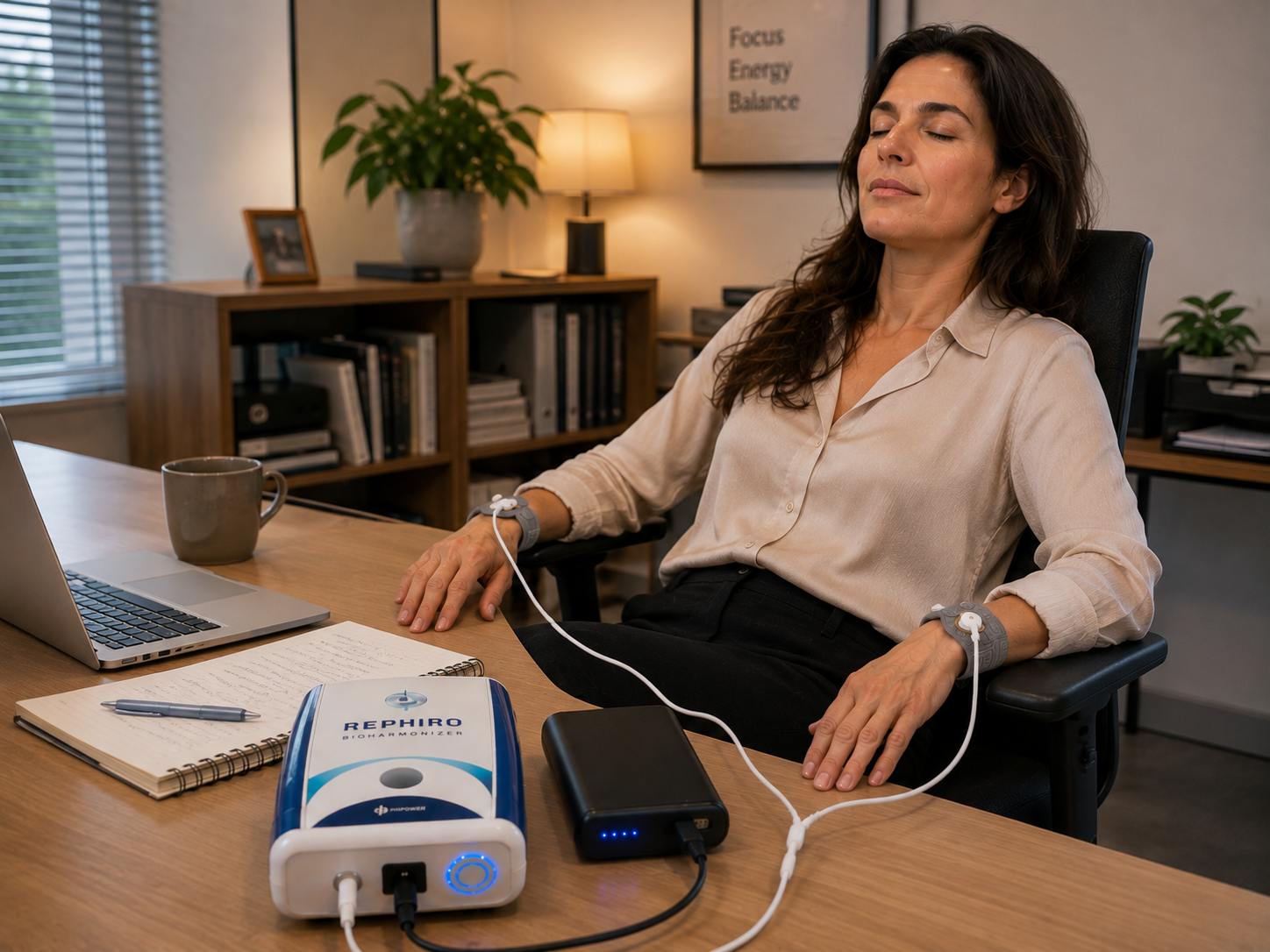
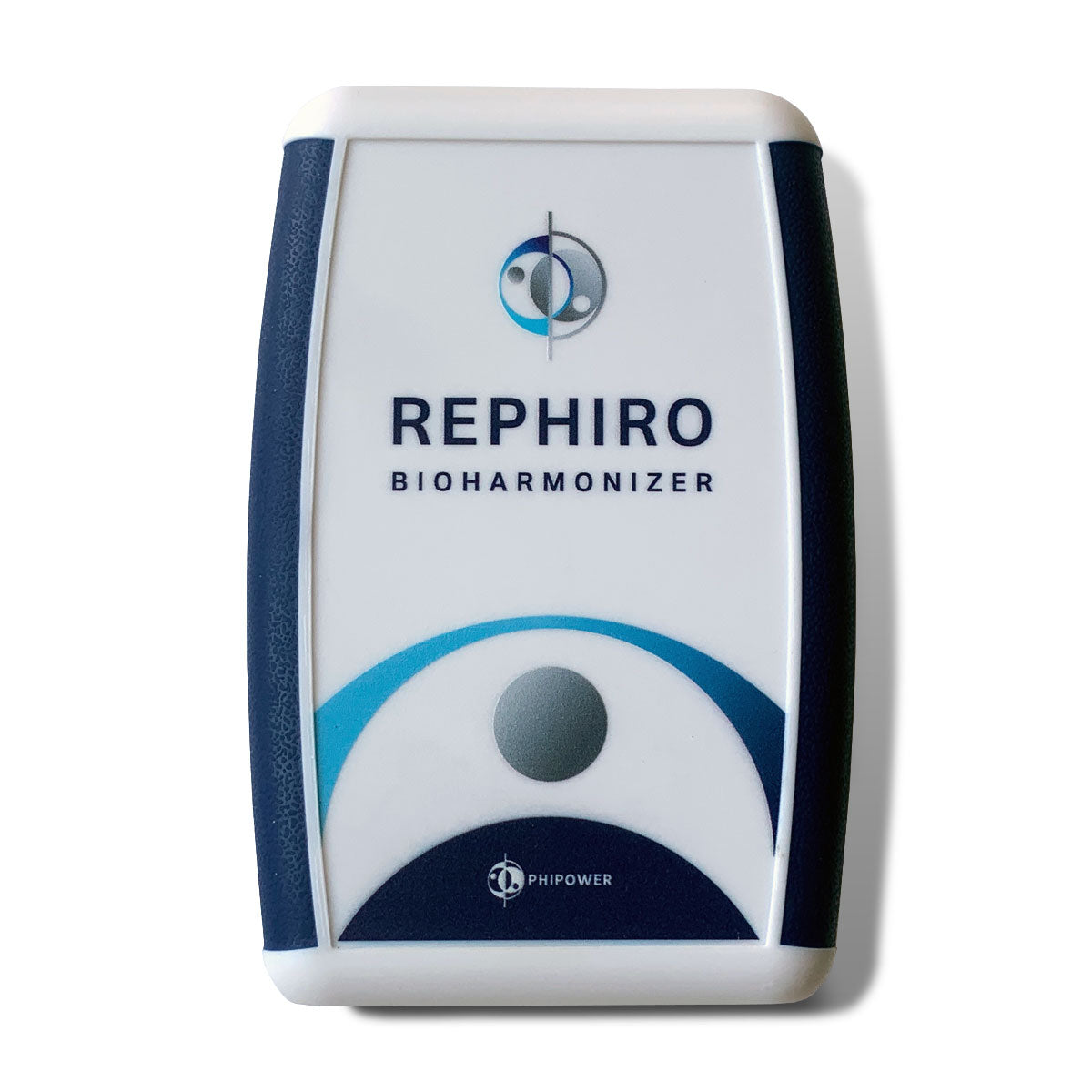
| Phipower Rephiro Bioharmonizer | €199 | Compact preset contact device focused on simplicity rather than extensive manual programming. |
Snapshot based on manufacturers' own public pricing in August 2026. Taxes, shipping, promotions and configurations may change the final price.
Can a cheap Rife machine still be good?
Yes — if the product is transparent about what it actually is.
A compact device can be technically simple and still generate a real, measurable electronic signal. Low cost is not automatically evidence of poor engineering.
What should make you cautious is not low price itself, but unclear specifications.
What signal architecture it uses · its frequency range · whether it uses a carrier · how output is delivered · what accessories are included · what it does not claim to do · warranty and support terms.
If the marketing focuses almost entirely on disease lists while giving almost no technical information about the generator itself, that is a warning sign regardless of price.
Where Rephiro fits: €199 for a preset contact system
The Phipower Rephiro Bioharmonizer deliberately sits at the simple end of the market. It uses a preset signal architecture built around:
High-frequency carrier forming the basis of the output architecture.
Automatic lower-frequency sweep rather than manual disease-labelled frequency lists.
Slower rhythmic gating as part of the preset timing structure.
Rephiro is contact-based and does not use a plasma tube. It is designed for people who want dedicated electronic frequency hardware without configuring a large programmable system.
Rephiro is not a laboratory-style arbitrary waveform generator and does not provide the same manual control as a large programmable Rife system. You are choosing simplicity and portability rather than maximum configurability.
To understand what the numbers mean technically, read Rife Frequencies Explained →
Seven questions to ask before buying a Rife machine
- What physical signal does it generate? Look beyond a list of frequency names.
- How is the signal delivered? Contact, plasma or another architecture?
- Can the output be measured or clearly specified?
- How much programming do you actually want?
- What is included in the advertised price?
- What support, warranty and return policy are offered?
- Are medical claims separated from measurable technical specifications?
If a product answers these questions clearly, comparing value becomes much easier.
Rife machine price red flags
Price justified mainly by cure claims
A high price should be explained by hardware, engineering, service or functionality — not by promises to cure serious diseases.
No technical specifications
If the seller cannot explain frequency range, waveform, carrier, output or delivery method, it is difficult to judge what you are buying.
Huge program count as the main value
Thousands of named programs sound impressive, but program quantity does not establish clinical validity.
Pressure to replace medical care
A wellness frequency device should not be sold as a reason to delay diagnosis or discontinue evidence-based treatment.
What is the best-value Rife machine?
There is no universal answer because value depends on what you want to control.
| If you mainly want... | Prioritise... | Likely price logic |
|---|---|---|
| Simple daily use | Preset operation, compact contact delivery, clear instructions | Lower-price compact device may be sufficient |
| Custom frequency experiments | Programmable generator, waveform control, multiple outputs | Mid-range generator can justify extra cost |
| Plasma delivery | Tube, amplifier, carrier electronics, safety and support | Expect a higher hardware price |
| Large integrated ecosystem | Multiple accessories, software, support and bundled hardware | Premium package pricing |
The wrong machine is the one whose expensive features you never use — or whose limitations prevent you from doing what you bought it for.
Frequently asked questions about Rife machine prices
The bottom line: pay for the architecture you need
Rife machine prices range widely because the products themselves range widely — from compact contact devices to programmable generators and complete plasma systems.
The most useful way to compare them is not cheap versus expensive, but: signal architecture + delivery method + configurability + included hardware + support + total ownership cost.
And one principle matters more than price: more expensive electronics do not automatically create stronger medical evidence.
For Rife history, machine types, frequency technology, evidence, safety and buying considerations, return to our main pillar.
Rife Machine: The Complete Guide to Rife Frequencies, Technology & Devices →
Current market examples were checked against manufacturers' own public pages in August 2026: Spooky2 product overview, Spooky2 Central Plasma kit, TrueRife F-122 and TrueRife package comparison. Prices are snapshots and may change.
Phipower frequency products are wellness and lifestyle products, not medical devices, and are not intended to diagnose, prevent, treat or cure disease. The inclusion of third-party products or pricing is for market-context purposes only and does not imply endorsement. Always verify current specifications, price, shipping, taxes and warranty with the seller.