
What is molecular hydrogen (H₂)?
Molecular hydrogen (H₂) is a colourless, odourless and tasteless gas made of two hydrogen atoms. It is the smallest and lightest molecule, and it has attracted increasing scientific interest because of its ability to diffuse through biological membranes and its potential influence on cellular processes.
Over the past two decades, researchers have investigated molecular hydrogen in relation to oxidative stress, inflammatory signalling, mitochondrial function and various aspects of human physiology.
Unlike many larger molecules, H₂ can move relatively easily through biological tissues. Researchers are interested in whether this property, together with its chemical characteristics, might influence biological signalling and cellular responses. Molecular hydrogen can be introduced into the body through several methods, most notably drinking hydrogen-rich water or inhaling hydrogen-containing gas.
However, while laboratory and early clinical findings have generated considerable interest, molecular hydrogen is not an established general treatment for disease. This guide explains the science, the delivery methods, the differences between them and the important distinction between established facts and ongoing research.
Molecular hydrogen: three essential facts
01H₂ is a measurable molecule.Its concentration can be determined in water or gas using appropriate instruments. 02Its biological effects are being investigated.Research includes laboratory experiments, animal studies and human clinical trials. 03Interest is not proven medical benefit.Larger and better-controlled clinical studies are still needed.Why is molecular hydrogen scientifically interesting?
Hydrogen is the most abundant chemical element in the universe, and molecular hydrogen is one of the simplest molecules in nature. But its potential role in biology became a major research topic much more recently.
A widely cited study published by Ohsawa and colleagues in Nature Medicine in 2007 investigated whether molecular hydrogen could influence cellular damage associated with highly reactive oxygen species. The study reported protective effects in experimental models of oxidative injury and stimulated substantial interest in hydrogen-related biomedical research.1
Since then, researchers have explored molecular hydrogen through several scientific disciplines, including biochemistry, physiology, cell biology and clinical medicine.
What makes H₂ unusual?
1. Extremely small molecular sizeH₂ is a small, nonpolar molecule that can diffuse across biological membranes. This makes it possible to investigate its effects across different tissues and cellular compartments. 2. Rapid movement through the bodyWhen hydrogen is inhaled or consumed in dissolved form, it can enter the body and subsequently be eliminated, primarily through exhalation. 3. Potential involvement in redox regulationResearch suggests that molecular hydrogen may influence the balance between oxidative processes and cellular defence systems, although the exact mechanisms are not fully understood. 4. Multiple possible delivery methodsThe same H₂ molecule can be delivered through drinking water, inhaled gas and several experimental methods. Each route differs in concentration, exposure and practical use.How might molecular hydrogen work in the body?
To understand why scientists investigate H₂, it helps to explore three related biological processes.
1. Oxidative stress and free radicals
During normal metabolism, the human body produces reactive oxygen species (ROS). These molecules are not inherently harmful. In controlled amounts, they participate in essential processes such as immune responses and cell signalling. Problems may arise when the production of reactive species exceeds the body’s capacity to regulate them. This imbalance is commonly referred to as oxidative stress.
Early molecular hydrogen research investigated whether H₂ could interact with particularly reactive chemical species, including hydroxyl radicals. However, molecular hydrogen should not simply be presented as a universal antioxidant that neutralises every harmful molecule. Its proposed biological actions appear more complex, and some mechanisms remain debated.
2. Inflammatory signalling
Inflammation is a normal part of the body’s protective response. Researchers have investigated whether molecular hydrogen can influence signalling pathways involved in inflammatory regulation, including NF-κB and Nrf2-associated pathways. Some experimental studies have reported changes in inflammatory markers or related cellular processes.
These findings provide directions for further research but do not establish that drinking or inhaling hydrogen treats inflammatory disease in humans.
3. Mitochondrial function and cellular signalling
Mitochondria participate in cellular energy production and metabolic regulation. Because mitochondrial activity is closely connected to redox balance, researchers have studied whether H₂ influences mitochondrial signalling, cellular stress responses and antioxidant defence pathways. Recent scientific reviews discuss several possible mechanisms, including interactions with gene expression and cellular regulatory networks.3,5
Importantly, these remain proposed mechanisms, not a fully established explanation of molecular hydrogen’s effects in humans.
What does scientific research say about molecular hydrogen?
Molecular hydrogen is an active field of research, with studies examining topics ranging from exercise physiology to neurological, cardiovascular and metabolic conditions. The quality of evidence varies substantially.
What has been investigated?
Research areaCurrent scientific understanding Oxidative stressLaboratory studies report effects on oxidative and redox-related pathways; human findings are mixed and preliminary. Inflammatory signallingExperimental evidence suggests possible effects on certain pathways and biomarkers. Exercise and recoverySmall human trials have explored fatigue, recovery and exercise-related markers, with inconsistent results. Metabolic healthResearchers have investigated glucose regulation, lipid profiles and related biomarkers; clinical effectiveness remains uncertain. Neurological researchExperimental and early clinical research exists, but established treatment benefits have not been demonstrated. Cardiovascular and respiratory researchPreliminary clinical studies have explored selected outcomes; further validation is required.A 2024 systematic review of hydrogen-rich water evaluated 25 studies and concluded that the available findings warrant further investigation, while highlighting the need for larger and more rigorous research.2 A 2026 clinical review of molecular hydrogen inhalation similarly identified methodological variability, small study populations and the need for standardised delivery systems.4
Established science versus emerging hypotheses
It is useful to separate three levels of evidence.
EstablishedPhysical and chemical facts- Molecular hydrogen is H₂.
- H₂ can dissolve in water.
- H₂ can be produced through electrolysis.
- Dissolved hydrogen concentration and gas flow can be measured.
- H₂ is highly flammable under certain conditions when mixed with air.
- Redox signalling and oxidative stress responses.
- Inflammatory pathways.
- Mitochondrial and metabolic regulation.
- Possible physiological effects associated with different delivery methods.
- That hydrogen reverses ageing.
- That it reliably prevents or cures diseases.
- That it guarantees improvements in energy or athletic performance.
- That higher concentrations always produce greater health effects.
- That a consumer device reproduces the outcomes of a clinical study.
Understanding these distinctions is essential to evaluating molecular hydrogen responsibly.
How can molecular hydrogen be delivered?
Researchers have explored several methods of introducing molecular hydrogen into the body. The two most relevant approaches for consumer hydrogen technology are hydrogen-rich water and hydrogen inhalation. Other delivery methods are mainly encountered in experimental or clinical research.
Method 1Drinking hydrogen-rich water
Hydrogen-rich water is ordinary drinking water containing dissolved molecular hydrogen gas. It remains chemically H₂O, but additional H₂ molecules are dissolved within the liquid. Hydrogen can be introduced through purpose-built generators, gas dissolution systems or certain hydrogen-generating tablets.
Modern hydrogen water generators may use electrolysis to produce molecular hydrogen, which is then dissolved into drinking water. A commonly used technology is PEM/SPE electrolysis, involving a proton-exchange membrane or solid-polymer electrolyte. The resulting water generally looks and tastes like ordinary drinking water.
The relevant measurement is the concentration of dissolved H₂, usually expressed in milligrams per litre (mg/L), parts per million (ppm) or parts per billion (ppb).
Important: hydrogen gradually escapes from water, particularly after a container is opened. Concentration can change between production and consumption.
Hydrogen Water Knowledge GuideComing soon Method 2Inhaling molecular hydrogen
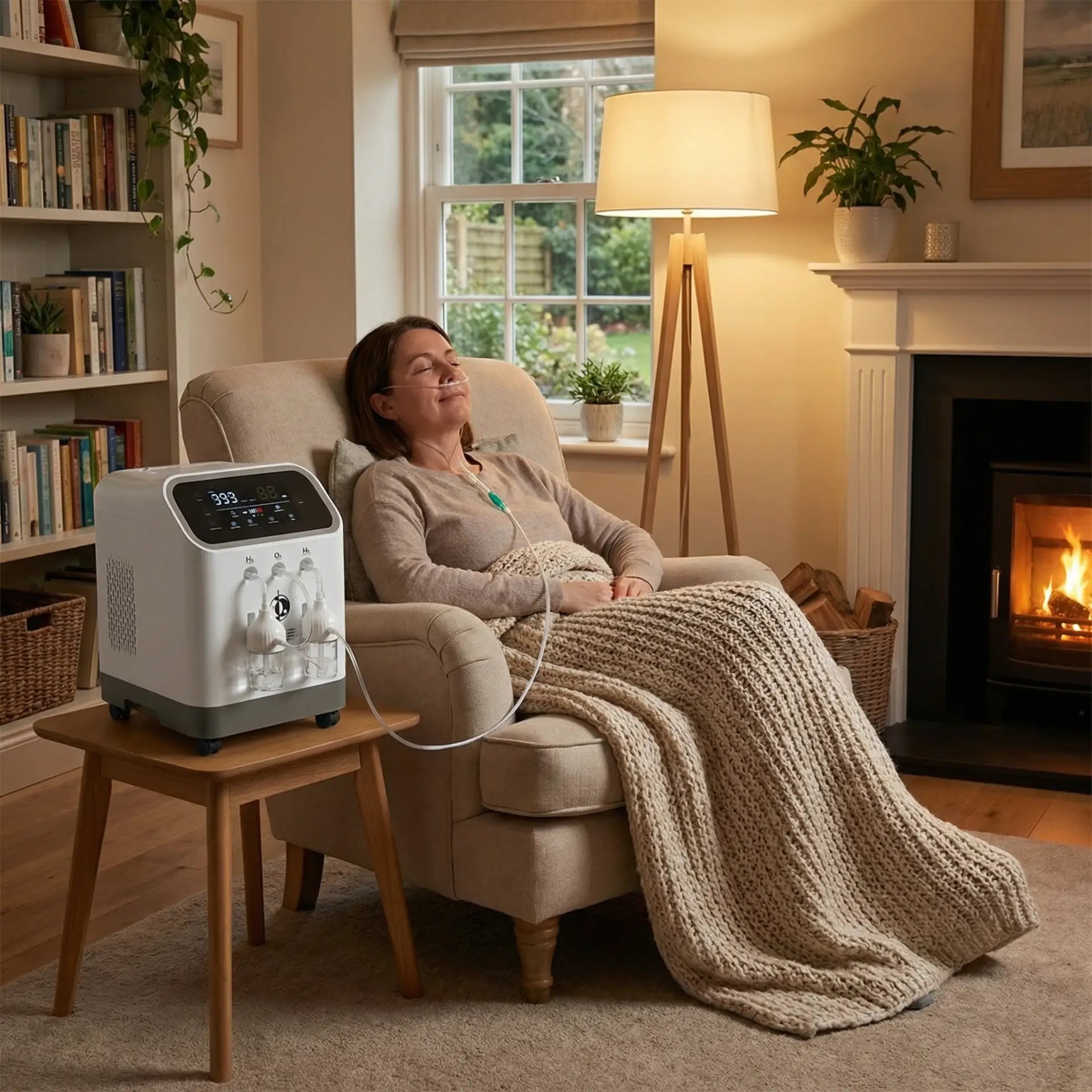
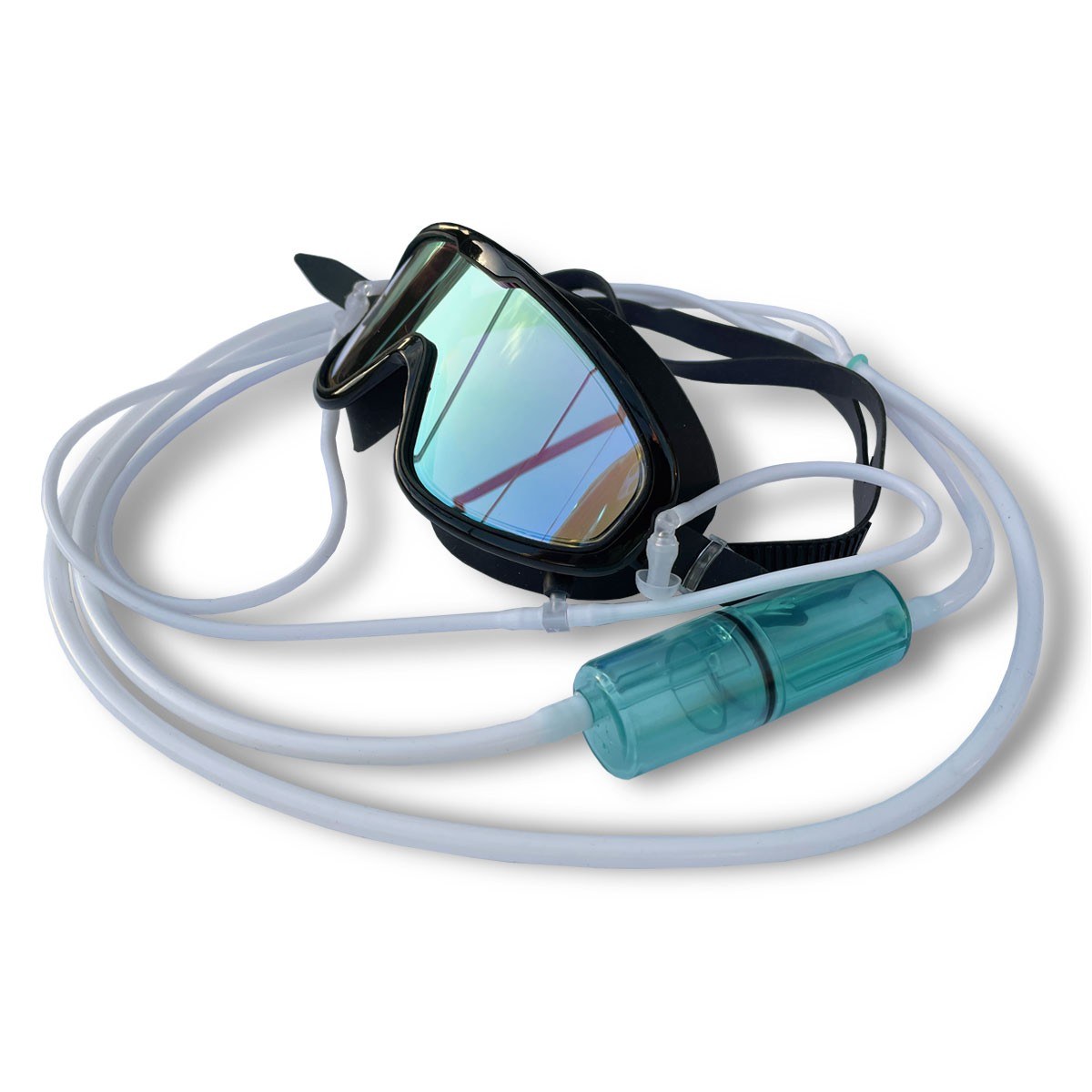
Hydrogen inhalation involves breathing a controlled gas stream containing molecular hydrogen, using equipment designed for that purpose. In research environments, hydrogen-containing gas is delivered through controlled systems that may involve nasal cannulas, masks or other respiratory equipment.
Unlike hydrogen-rich water, which provides a limited amount of dissolved gas in a serving, a generator can provide a continuous supply of H₂ during operation. This makes inhalation particularly relevant when researchers want to investigate sustained exposure.
However, the amount of gas produced by a machine is not necessarily the amount inhaled or absorbed by the user. Actual exposure depends on gas concentration, flow rate, breathing patterns, device configuration and the surrounding air. Hydrogen inhalation also introduces specific fire and equipment-safety considerations.
Optimal concentrations and durations for general wellness use have not been established. Research protocols should not be converted into do-it-yourself treatment instructions.
Hydrogen Inhalation Knowledge GuideComing soonMethod 3: other methods investigated in research
Scientists have also explored hydrogen-enriched saline solutions, hydrogen-containing bathing solutions, experimental local or topical applications and other specialised delivery systems. These methods are not interchangeable, and their use in research should not be interpreted as evidence that a particular consumer product has the same effects.
Hydrogen-rich water vs hydrogen inhalation: what is the difference?
Both methods involve the same molecular gas: H₂. What changes is the route of administration, the exposure pattern and the equipment involved.
FeatureHydrogen-rich waterHydrogen inhalation Delivery routeDrinkingBreathing Hydrogen formDissolved H₂H₂-containing gas Exposure patternLimited amount per servingContinuous during operation Main measurementsppm, ppb or mg/LGas composition, concentration and flow rate EquipmentWater generator, bottle or dissolution systemHydrogen gas generator and approved delivery components PortabilityOften highDepends on the device Main considerationsWater quality, dissolved H₂, storageGas safety, ventilation, exposure and equipment validation Clinical evidencePreliminary and heterogeneousPreliminary and heterogeneousIs one method more effective?
Current scientific evidence does not establish that drinking hydrogen-rich water or inhaling molecular hydrogen is universally superior. A gas generator may produce substantially more hydrogen than can be dissolved in a single serving of water. But a larger quantity of generated hydrogen does not automatically translate into greater absorption or a better physiological outcome.
The relevant questions include the actual delivered dose, duration of exposure, biological response and quality of clinical evidence.
Detailed comparisonMolecular Hydrogen: Drinking vs Inhaling H₂ — Which Is Better? →Understanding hydrogen concentration: ppm, ppb and ml/min
Hydrogen equipment is often marketed using impressive numerical specifications. Understanding what these numbers actually measure is important.
In waterppm and ppb
For dilute solutions in water, ppm and ppb describe the mass concentration of dissolved H₂. At typical drinking-water densities:
1 ppm≈ 1 mg H₂ per litre 1,000 ppb= 1 ppm 6,000 ppb= 6 ppmHydrogen has relatively low equilibrium solubility in water under normal atmospheric conditions: approximately 1.6 mg/L near room temperature when equilibrated with pure hydrogen gas at one atmosphere. Higher concentrations can sometimes be achieved temporarily through pressurisation or supersaturation.
This is why the measurement method and the timing of the measurement matter. A device’s maximum advertised concentration does not necessarily represent the concentration in every glass consumed.
In gas generatorsml/min
Gas-producing systems commonly specify output in millilitres per minute (ml/min): the volume of gas produced per unit of time, under the manufacturer’s stated measurement conditions.
666ml/min H₂specified production capacity
This does not mean that the user absorbs 666 millilitres every minute. Gas composition, losses, breathing behaviour and delivery configuration influence actual exposure.
The key distinction: ppm and ppb describe dissolved concentration, whereas ml/min describes gas flow. These figures cannot be used as a direct measure of comparative health benefits.
Is molecular hydrogen the same as alkaline or structured water?
No. These terms describe different properties or approaches to water preparation.
Hydrogen-rich waterWater containing measurable amounts of dissolved molecular hydrogen (H₂). Alkaline waterWater with a pH above 7. Its alkalinity is a different property from its dissolved hydrogen concentration. Structured waterA broad term for molecular organisation, hydrogen bonding and methods of physical water treatment. Many commercial claims about lasting structural changes and specific health effects remain unproven. Vitalized waterA wellness-oriented term often associated with vortexing, light exposure and other water-preparation practices.These categories should not be confused. Dissolved hydrogen can be measured independently of pH, vortexing or claims about structured water. A water sample does not need to be alkaline to contain molecular hydrogen. Similarly, creating a vortex does not, by itself, demonstrate that meaningful amounts of molecular hydrogen have been added.
To understand the distinctions in more detail, visit our Structured Water: Complete Science Guide.
How is molecular hydrogen produced?
One widely used production method is electrolysis, which uses electrical energy to split water into hydrogen and oxygen. The simplified overall reaction is:
2 H₂O → 2 H₂ + O₂The hydrogen and oxygen streams must be managed according to the equipment’s design and safety requirements. In certain hydrogen water generators, membrane-based technology is used to separate the generated gases and deliver hydrogen into drinking water. In hydrogen inhalation systems, hydrogen gas is produced for a designated gas outlet. The precise construction, gas purity, production capacity and safety systems can differ significantly between devices.
What is PEM/SPE technology?
PEM stands for Proton Exchange Membrane and SPE commonly refers to Solid Polymer Electrolyte. These terms describe related electrolysis technologies using a polymer membrane within the electrochemical cell. In an appropriately engineered system, the membrane helps separate reaction products and supports controlled hydrogen generation.
PEM/SPE technology is relevant to both portable hydrogen water makers and larger hydrogen generators, but the presence of this technology alone does not prove a particular output concentration, gas purity or medical benefit.
Is molecular hydrogen safe?
Safety depends on the delivery method, equipment, exposure conditions and intended use.
Drinking hydrogen-rich water
Hydrogen-rich water has been used in a number of human studies, generally with favourable short-term tolerability reported. However, this does not establish every possible long-term effect, and it does not eliminate ordinary water-quality and equipment-hygiene requirements.
Always begin with water that is safe to drink and maintain the equipment according to the manufacturer’s instructions.
Hydrogen inhalation
Molecular hydrogen is not considered chemically toxic in the same way as many hazardous gases. But hydrogen is highly flammable: in air, its approximate flammability range is 4–75% by volume.6 This creates specific risks involving leaks, sparks, flames, poorly ventilated environments and incorrectly configured equipment.
Safe use requires a properly engineered device, suitable ventilation, correct connections and strict compliance with the manufacturer’s validated safety instructions. Never improvise gas mixtures, alter outlets or adapt medical oxygen equipment for hydrogen delivery.
People considering hydrogen inhalation for a health condition should consult a qualified healthcare professional. It must not replace prescribed oxygen therapy or other medical treatment.
Exploring molecular hydrogen with Phipower
At Phipower, we believe emerging wellness technologies should be explained through clear scientific information, measurable specifications and transparent discussion of their limitations. Our molecular hydrogen range includes two different approaches to H₂ generation.
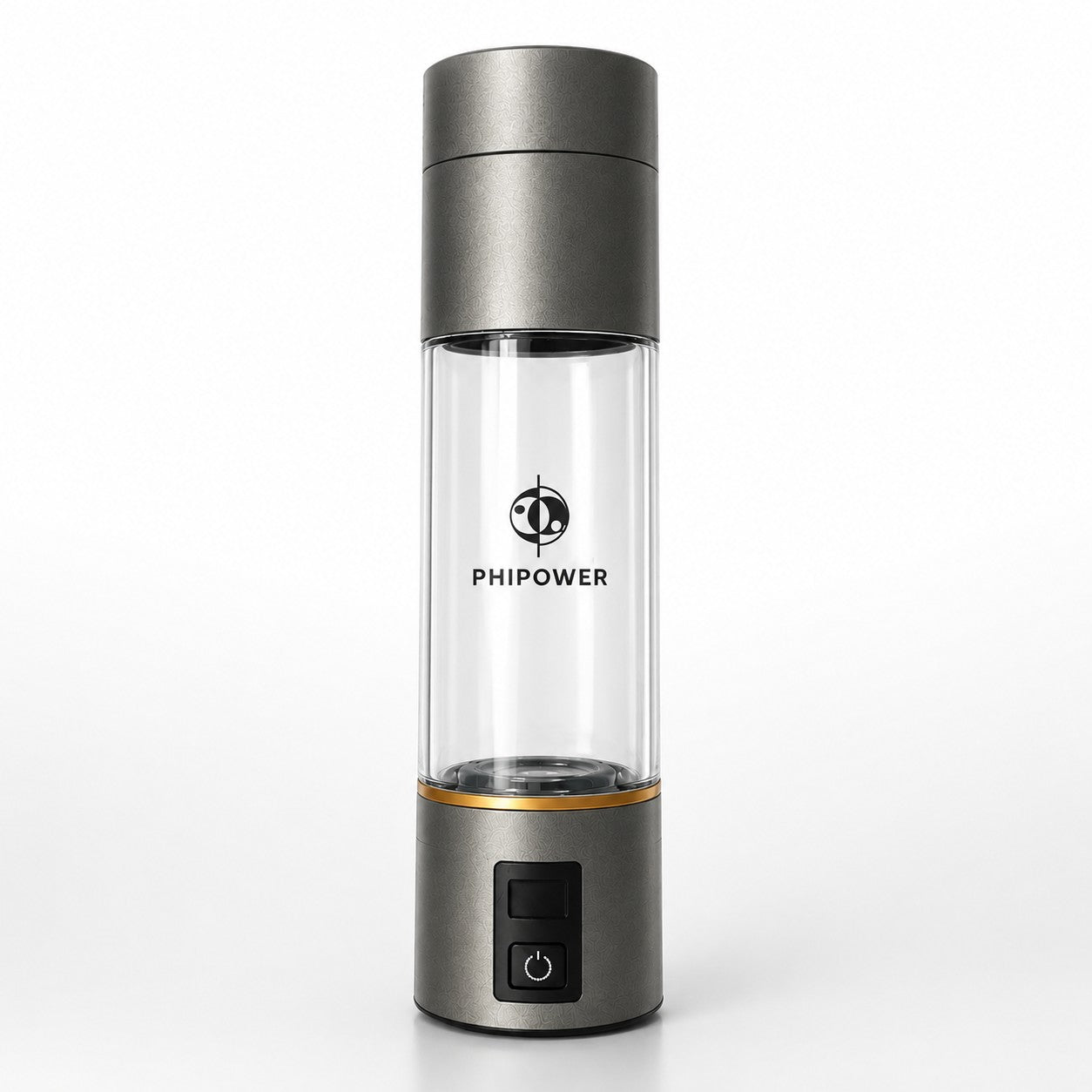
Phipower Hydrogen Water Bottle
Up to 6,000 ppbDual-chamber PEM/SPE270 mlA portable hydrogen water generator with a specified maximum dissolved H₂ concentration of up to 6,000 ppb under suitable operating conditions. Includes an additional hydrogen inhalation accessory. Its primary purpose is to produce fresh hydrogen-rich drinking water in a compact format.
Explore the Hydrogen Water Bottle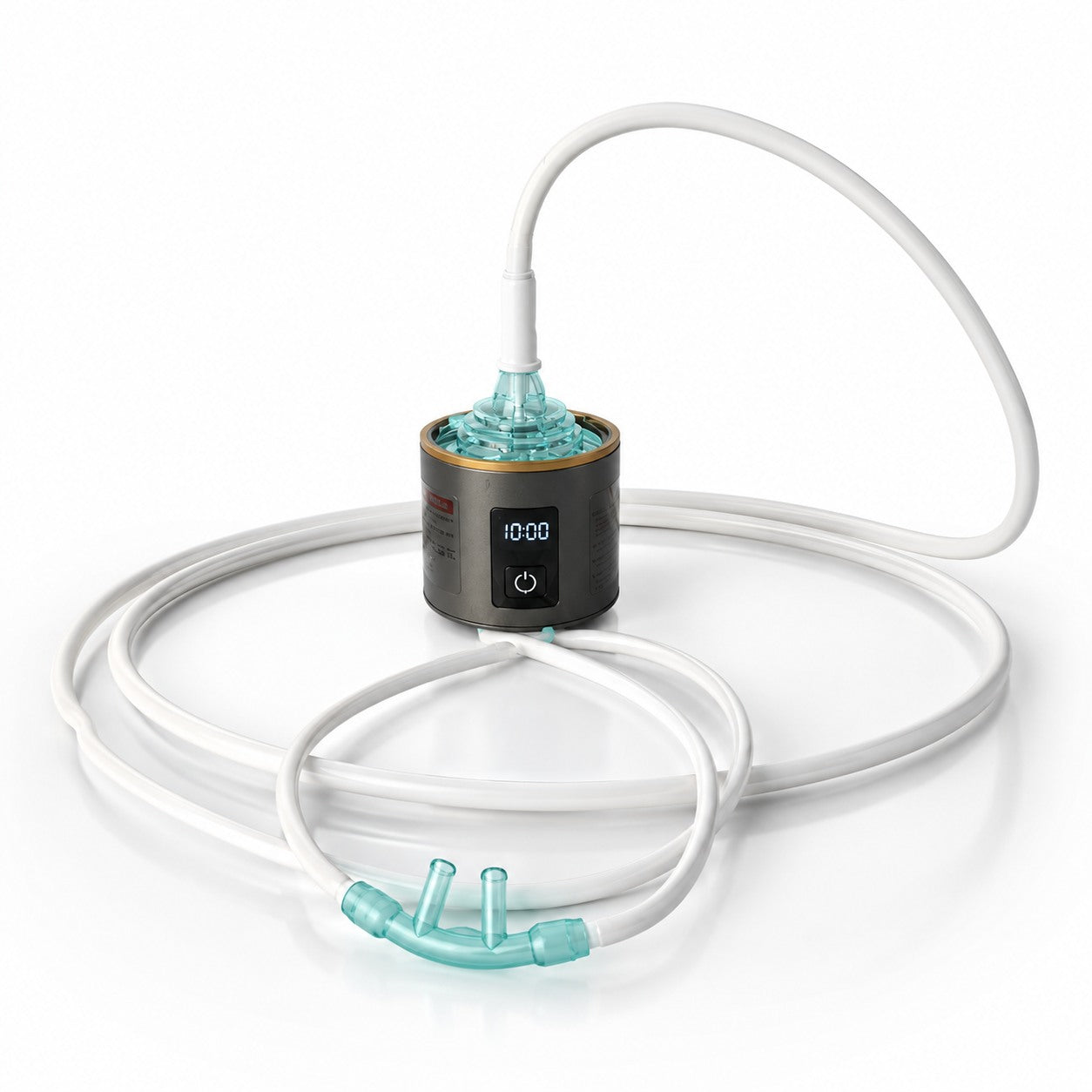
Phipower Hydrogen Inhaler
666 ml/min H₂333 ml/min O₂Distilled waterA larger hydrogen generator with a separate oxygen output, designed for use with distilled water and including monitoring and safety features. The specified output should not be confused with an established therapeutic dose.
Explore the Hydrogen InhalerBoth are presented as consumer wellness devices, not as substitutes for medical equipment or clinical treatment.
Frequently asked questions about molecular hydrogen
What is molecular hydrogen in simple terms?
Molecular hydrogen is H₂ gas, made of two hydrogen atoms joined together. It is the lightest molecule and is being investigated for its possible role in biological signalling and oxidative processes.
Is molecular hydrogen the same as hydrogen water?
Not exactly. Molecular hydrogen is the gas itself. Hydrogen water, or hydrogen-rich water, is drinking water containing dissolved H₂ molecules.
Does the human body naturally produce hydrogen?
Yes. Certain microorganisms in the gastrointestinal tract produce hydrogen gas when fermenting carbohydrates and other substances. The amount varies with diet and the gut microbiome. This does not establish that supplementing hydrogen has a particular health benefit.
Is molecular hydrogen an antioxidant?
Molecular hydrogen is often discussed in connection with antioxidant research. Early experiments examined its interactions with highly reactive species, while more recent research explores broader redox and cellular signalling mechanisms. Its exact biological actions are not fully established.
What are the scientifically proven benefits of molecular hydrogen?
Molecular hydrogen has produced interesting results in some laboratory studies and human trials. However, there is currently insufficient high-quality evidence to support broad claims that consumer molecular hydrogen products reliably prevent, treat or cure diseases.
Can molecular hydrogen improve energy or recovery?
Some small human studies have investigated exercise-related fatigue, recovery and metabolic markers. Findings are mixed, and reliable improvements for the general population have not been established.
Is hydrogen water better than regular drinking water?
Hydrogen-rich water contains dissolved H₂ that ordinary water may not contain at comparable levels. Whether it provides meaningful additional health benefits for healthy individuals remains uncertain. Safe, adequate hydration is still the priority.
Is hydrogen inhalation better than drinking hydrogen water?
Neither method has been established as universally better. Inhalation permits continuous gas delivery, while hydrogen water provides a limited dissolved amount per serving. This does not establish which route produces better clinical outcomes.
Is molecular hydrogen the same as hydrogen peroxide?
No. Molecular hydrogen is H₂, whereas hydrogen peroxide is H₂O₂. They are chemically different substances with very different properties. Hydrogen peroxide should never be confused with hydrogen-rich drinking water.
Can I combine hydrogen-rich water with structured water?
These involve distinct processes. A water sample can be exposed to vortexing and can also contain dissolved hydrogen, but combining the methods has not been shown to produce additional health benefits. Hydrogen concentration must be measured independently.
Explore the Molecular Hydrogen Knowledge Center
Molecular hydrogen connects chemistry, engineering and biomedical research. To investigate the subject properly, it is useful to explore each aspect separately.
Coming soonHydrogen Water
Dissolved molecular hydrogen, production technologies, ppm and ppb, measurement methods, scientific studies and choosing hydrogen water equipment.
Coming soonHydrogen Inhalation
Gas generation, inhalation research, gas concentration, flow rate, equipment design and safety.
ArticleHydrogen Water vs Hydrogen Inhalation
How the two primary delivery methods compare, and why higher hydrogen output does not automatically mean better outcomes.
Read the full comparison →The future of molecular hydrogen research
Molecular hydrogen occupies an interesting position between established physical chemistry and emerging biomedical research. Its physical properties are well understood. Its potential biological effects are the subject of an expanding scientific literature.
The next important steps include larger randomised clinical trials, more reproducible measurement protocols, better-defined delivery systems and a clearer understanding of dose–response relationships. Research must also determine whether observations made under controlled experimental conditions translate into meaningful long-term outcomes in people.
The most useful question is not whether molecular hydrogen sounds promising. It is which effects can be reproduced, measured and demonstrated in well-designed studies.
That is the perspective we aim to bring to the Phipower Knowledge Center: curiosity supported by evidence, technology explained through measurable properties and clear boundaries between research and established fact.
Scientific references and further reading
- Ohsawa I. et al. (2007). Hydrogen acts as a therapeutic antioxidant by selectively reducing cytotoxic oxygen radicals. Nature Medicine, 13, 688–694. DOI: 10.1038/nm1577
- Dhillon G. et al. (2024). Hydrogen Water: Extra Healthy or a Hoax? A Systematic Review. International Journal of Molecular Sciences, 25(2), 973. DOI: 10.3390/ijms25020973
- Jin J. et al. (2025). Molecular Hydrogen Therapy: Mechanisms, Delivery Methods, Preventive, and Therapeutic Application. MedComm, 6(5), e70194. DOI: 10.1002/mco2.70194
- Nguyen Puente B. et al. (2026). Emerging Clinical Applications for Molecular Hydrogen. Respiratory Care, 71(3), 328–338. DOI: 10.1177/19433654251398759
- Zhang Q. et al. (2026). Molecular Hydrogen in Biomedicine: A Comprehensive Review of Mechanisms, Multi-system Therapeutic Effects, and Emerging Delivery Strategies. Journal of Investigative Medicine. DOI: 10.1177/10815589261497358
- U.S. Department of Energy. Safe Use of Hydrogen. Reference information on hydrogen flammability, ventilation and safe handling. Read the safety overview
Scientific and medical disclaimer: this article is provided for educational purposes. Molecular hydrogen research is ongoing. Findings from scientific studies should not be interpreted as guaranteed effects of commercial products. Phipower hydrogen products are presented as consumer wellness devices and are not intended to diagnose, treat, cure or prevent disease. This information is not a substitute for professional medical advice or appropriate equipment-safety instructions.