
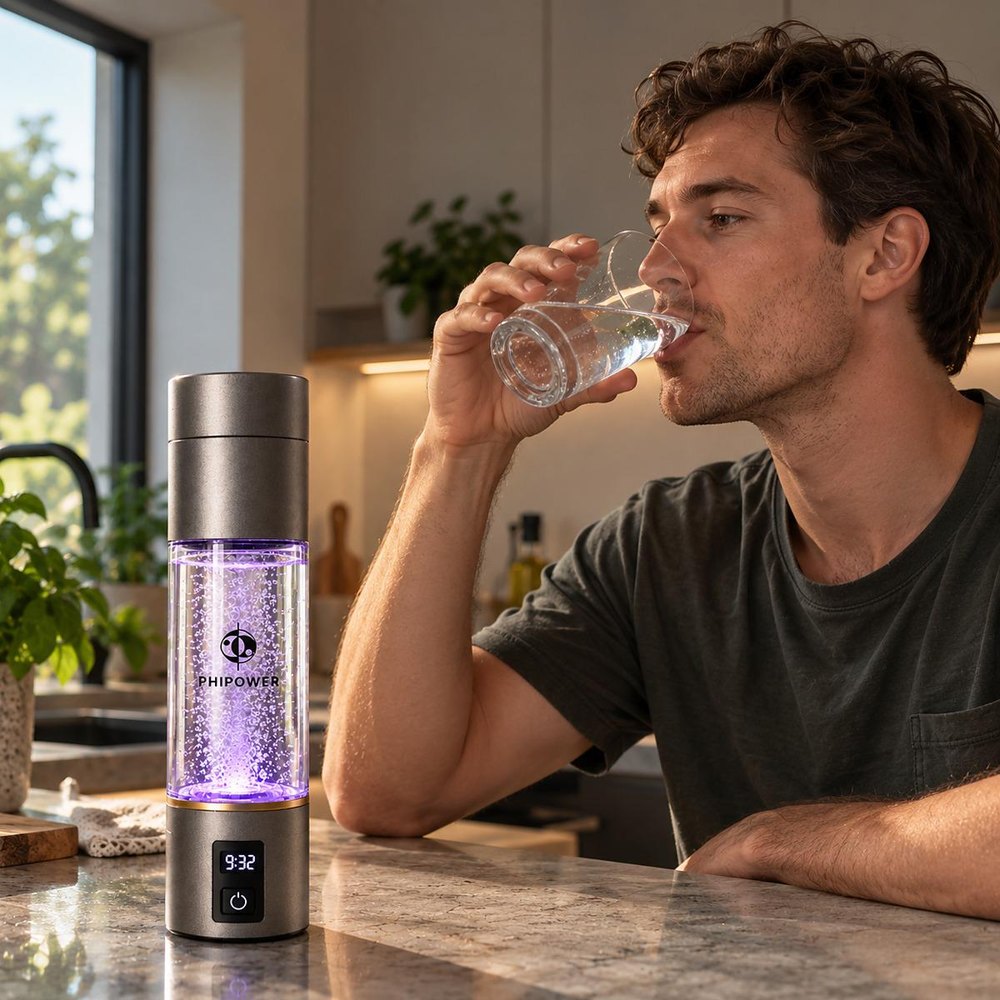
What is hydrogen inhalation?
Hydrogen inhalation is the controlled administration of molecular hydrogen gas (H₂) through the respiratory system. Researchers are investigating whether inhaled hydrogen may influence oxidative stress, inflammatory signalling and other biological processes.
Molecular hydrogen is the smallest molecular gas: two hydrogen atoms bonded together, colourless, odourless and tasteless. Unlike hydrogen-rich water, which delivers a limited amount of dissolved H₂ per serving, inhalation delivers gas through specialised equipment such as nasal cannulas or masks.
H₂ can move across biological membranes and enter the bloodstream through the lungs. Researchers have investigated it in exercise physiology, cardiovascular function, neurological conditions and inflammatory regulation.
Hydrogen inhalation remains an emerging area of biomedical research. It is not an established general treatment for disease, and clinical results cannot automatically be transferred to commercial wellness devices.
Hydrogen inhalation: the essential facts
- ✓Molecular hydrogen (H₂) is a small, neutral gas molecule that can diffuse through biological membranes.
- ✓Hydrogen inhalation delivers H₂-containing gas through the respiratory system.
- ✓Research is exploring possible effects on oxidative stress, inflammation and cellular signalling.
- ✓Gas flow and actual inhaled concentration are different measurements.
- ✓Hydrogen is highly flammable: equipment design, ventilation and safe operation are essential.
- ✓Medical benefits are not established for general consumer hydrogen inhalation.
Why are scientists interested in molecular hydrogen?
Modern research accelerated after a widely cited 2007 study in Nature Medicine, in which Ohsawa and colleagues investigated whether H₂ could influence cellular injury associated with certain reactive oxygen species.1 Since then, hydrogen has been studied in laboratory models, animal experiments and human clinical studies. For the broader background, see Molecular Hydrogen: The Complete Guide.
Three major areas of research
These are areas of ongoing investigation, not established explanations of clinically proven benefits.
Is hydrogen simply an antioxidant?
Molecular hydrogen is often described as an antioxidant, but this may be too simplistic. Early research focused on interactions with highly reactive oxygen species; more recent work also examines indirect effects on redox signalling, gene expression and cellular defence systems. The precise mechanisms remain incompletely understood.
How does hydrogen inhalation work in the body?
The lungs provide a large surface area for gas exchange. Oxygen moves from inhaled air into the bloodstream while carbon dioxide moves out. Molecular hydrogen can also diffuse across the respiratory membrane when present in inhaled gas.
Why is inhalation scientifically interesting?
Inhalation allows researchers to study relatively continuous exposure over a controlled period, whereas a serving of hydrogen-rich water provides a limited amount of dissolved gas. Continuous gas production does not automatically produce a greater biological benefit.
The actual inhaled H₂ concentration, not simply the amount of gas a machine generates, is central to understanding exposure.
What does scientific research say about hydrogen inhalation?
Research into inhaled molecular hydrogen has expanded, but clinical evidence remains limited. A 2026 review in Respiratory Care, Emerging Clinical Applications for Molecular Hydrogen, identified promising findings alongside important limitations:2
- ✕Small clinical study populations
- ✕Differences in gas concentrations and delivery methods
- ✕Limited standardisation of equipment
- ✕Insufficient independent replication
- ✕Uncertainty about optimal exposure
- ✕A need for validated, reproducible delivery systems
The authors considered H₂ a worthwhile subject for further clinical investigation. They did not establish that general consumer inhalation provides proven medical benefits.
A randomised crossover study in 24 healthy men reported favourable changes in certain fatigue-related measures after hydrogen-rich gas inhalation.3
Small population; results cannot be assumed to apply to all individuals, sports or devices.
A placebo-controlled crossover trial reported changes in biomarkers linked to nitric oxide signalling and exercise-related oxidative stress.
Biomarker changes do not establish long-term improvements in health or performance.
A randomised study of 3% hydrogen gas in 50 hospitalised stroke patients reported encouraging findings in selected clinical and imaging measures.4
Does not establish that home inhalation treats stroke or other conditions. Stroke symptoms require emergency care.
A double-blind, placebo-controlled crossover study in 20 active young women found a small, statistically, but not clinically, significant decrease in oxygen saturation, with no change in autonomic cardiac regulation.5
Physiological effects should be studied, not assumed to be universally beneficial or absent.
Potential hydrogen inhalation benefits: what is established?
People frequently search for hydrogen inhalation benefits involving energy, recovery, inflammation, neurological health and ageing. The evidence must be evaluated carefully.
Hydrogen inhalation is scientifically interesting, but preliminary findings should not be presented as guaranteed benefits of consumer inhalation equipment.
How does a hydrogen inhalation machine work?
Many hydrogen generators use electrolysis: electrical energy separates water into hydrogen and oxygen. Hydrogen forms at the cathode, oxygen at the anode, and the machine must manage both gas streams appropriately.
Understanding hydrogen inhaler specifications: ml/min, purity and concentration
Inhalers are often compared by gas-production capacity in millilitres per minute (ml/min). That number requires careful interpretation.
What does 666 ml/min H₂ mean?
A generator specified at 666 ml/min H₂ has a nominal hydrogen output of 666 millilitres per minute under its stated conditions. This describes production capacity, not that a user inhales or absorbs all 666 ml every minute.
Gas production versus inhaled concentration
The concentration reaching the airways depends on:
A 2026 modelling paper in Respiratory Research argued that the fraction of hydrogen actually inspired at the airway opening, the fraction of inspired hydrogen (FiH₂), is more meaningful for exposure assessment than machine flow rate alone, and that identical flow rates can produce different exposure in different people.6
What does 99.99% gas purity mean?
Purity describes the proportion of the stated gas in the sampled source stream. It does not mean a person inhales air containing 99.99% hydrogen, and it does not on its own establish the absence of all relevant contaminants. Compare the related distinction for water in hydrogen water concentration.
Three separate questions
A high-output generator is not automatically more effective or safer than a lower-output system.
Hydrogen inhalation versus hydrogen-rich water
Both methods involve H₂, but they differ in how the gas reaches the body.
Which method delivers more hydrogen?
A gas generator may produce far more H₂ per unit of time than is dissolved in a bottle of hydrogen-rich water. But total production is not the amount absorbed, and greater exposure does not necessarily produce a greater benefit.
Is inhalation better than hydrogen water?
Current evidence does not establish that either method is universally superior. For a detailed comparison, read Molecular Hydrogen: Drinking vs. Inhaling H₂.
Is hydrogen inhalation safe?
Molecular hydrogen is not chemically toxic in the way many hazardous gases are. However, hydrogen is highly flammable: its flammability range in air extends from roughly 4% to 75% by volume, and it needs very little ignition energy.8
Fire and explosion risks
Hydrogen can create hazardous conditions if it accumulates or leaks near electrical equipment, flames or hot surfaces. Electrolysis produces roughly two volumes of hydrogen per volume of oxygen, that does not mean those gases should be combined or delivered together. Explosion incidents with hydrogen inhalers have been reported.7
Never combine hydrogen and oxygen outputs, modify gas pathways or improvise respiratory connections.
Equipment design matters
- Gas separation
- Leak prevention
- Ventilation
- Appropriate materials
- Electrical protection
- Temperature control
- Water-level monitoring
- Overpressure and related hazards
- Validated gas delivery and operating instructions
Sensors do not automatically eliminate all risks.
Is hydrogen inhalation safe at home?
Home use should not be assumed safe because equipment is commercially available or labelled as a wellness product. Safety depends on the complete device, its independently assessed design, delivery configuration, environment and intended use.
- ✕Never operate near fireplaces, cigarettes, candles, stoves, heaters, sparks or oxygen-enriched equipment.
- ✕Do not use while sleeping or unattended.
- ✕Do not connect to CPAP devices, oxygen concentrators, ventilators or other respiratory systems unless the full configuration has been professionally validated.
Who should seek medical advice?
Hydrogen inhalation should never replace prescribed medical treatment. There is no universally established safe or effective consumer session duration or frequency. Research protocols should not be copied as home-use recommendations. For drinking-water safety, see Is hydrogen water safe?.
How to evaluate a hydrogen inhaler
Choosing a hydrogen inhaler requires more than comparing production capacity.
The strongest purchasing decision is based on verified engineering and safety documentation, not simply the highest advertised gas-output figure.
Discover the Phipower Hydrogen Inhaler
φ · Monitored electrolysis technologyThe Phipower Hydrogen Inhaler is an electrically powered H₂ and O₂ generator designed for consumer wellness applications. It uses water electrolysis to produce molecular hydrogen and oxygen through separately labelled gas outlets, with digital controls and integrated monitoring.
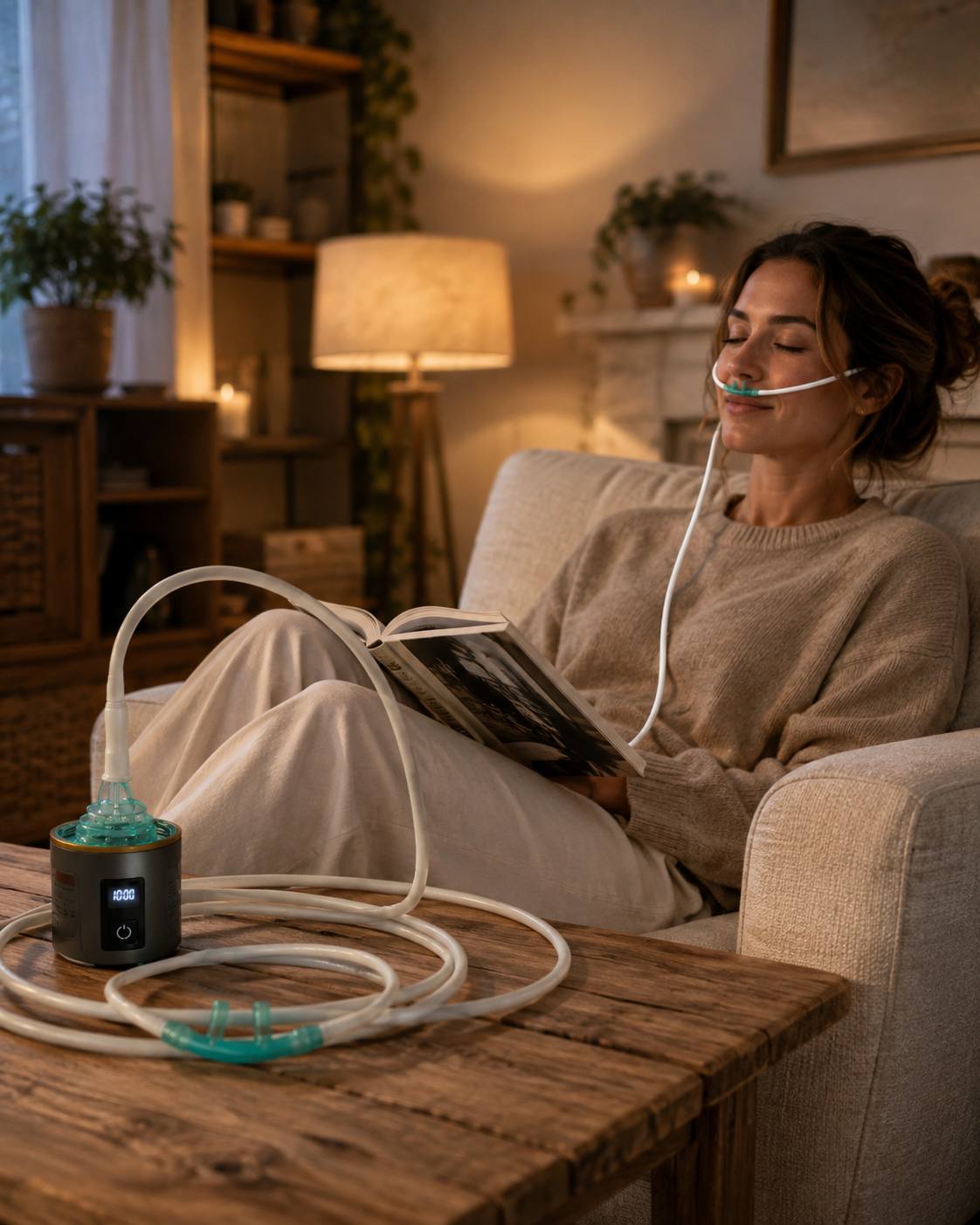
Understanding the 666 ml/min specification
666 ml/min describes the machine's hydrogen output, not the concentration a user actually inhales. The 999 ml/min total includes the separately specified hydrogen and oxygen outputs.
The two gas streams must not be assumed to form a safe combined breathing mixture. They must not be mixed or redirected outside an independently validated configuration.
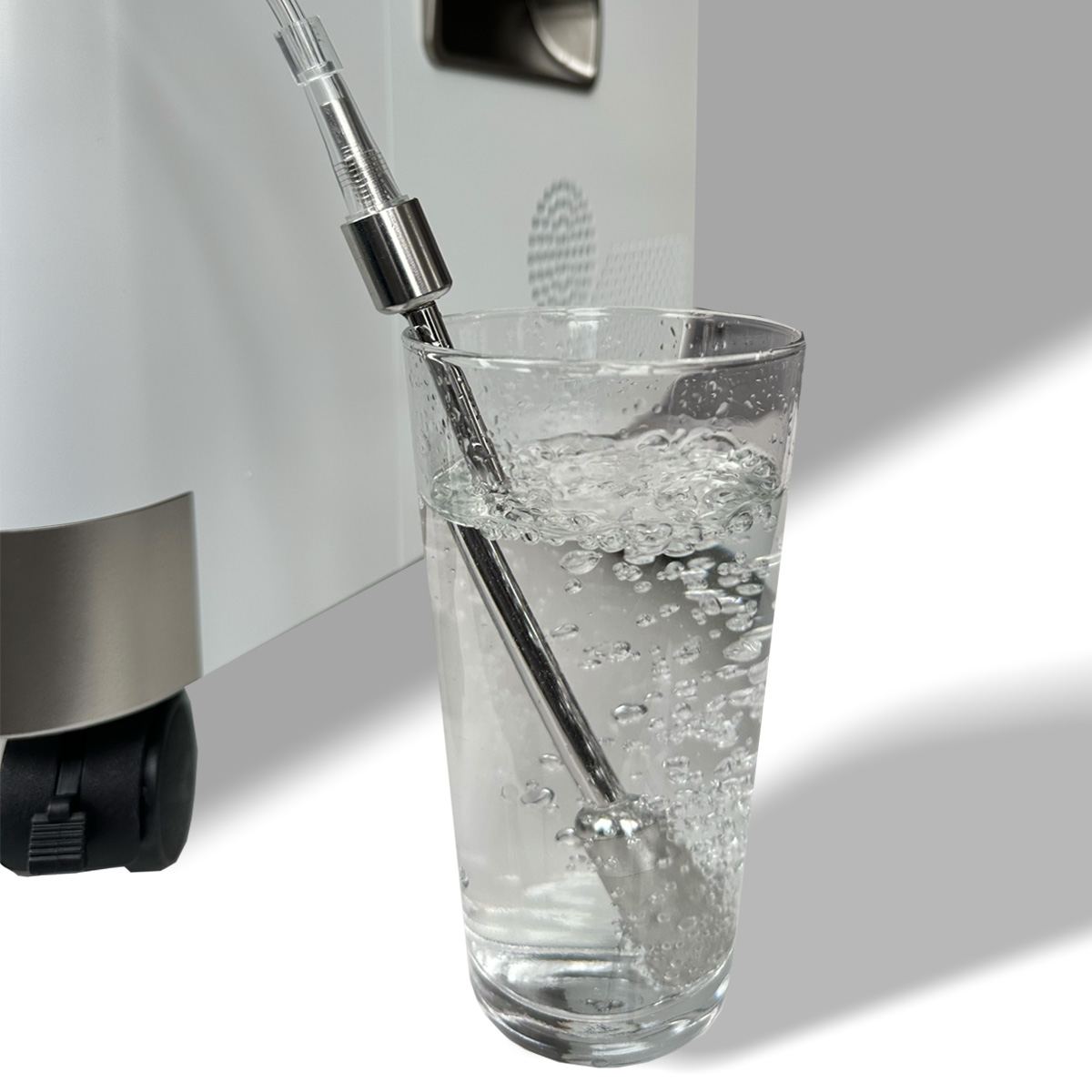
A second application: hydrogen-rich water
A stainless-steel hydrogen bubble stick introduces generated hydrogen into drinking water, a separate application from inhalation. The dissolved H₂ depends on gas-liquid contact, temperature, water volume and gas losses; gas output does not directly determine it. See how long hydrogen stays in water.
Marketed as a consumer wellness product; not intended to diagnose, treat or prevent disease. Commercial availability and published specifications do not independently establish clinical effectiveness or safety for every inhalation configuration.
Frequently asked questions about hydrogen inhalation
What is hydrogen inhalation?+
Hydrogen inhalation involves breathing gas containing molecular hydrogen (H₂) using equipment designed for controlled delivery. The method is being investigated in biomedical research.
What are the benefits of inhaling hydrogen?+
Researchers are studying possible effects on oxidative stress, inflammatory signalling and exercise-related physiology. However, broad clinical benefits have not been established.
Is hydrogen inhalation scientifically proven?+
Hydrogen absorption through the respiratory system is physiologically plausible and has been investigated scientifically. Specific therapeutic benefits remain preliminary and are not established for general consumer use.
How does molecular hydrogen enter the bloodstream?+
A portion of inhaled H₂ can diffuse across the respiratory membrane in the lungs and enter the circulation.
Is hydrogen inhalation safe?+
Hydrogen is not known for conventional chemical toxicity, but it is highly flammable. Safety depends on gas concentration, equipment design, validated delivery conditions and environmental controls.
Can hydrogen inhalation improve energy?+
Some small studies investigate fatigue and exercise outcomes. Reliable improvements in everyday energy levels have not been demonstrated for the general population.
Does hydrogen inhalation reduce inflammation?+
Some experiments report changes in inflammatory markers or signalling pathways. These findings do not establish hydrogen inhalation as a treatment for inflammatory disease.
Can hydrogen inhalation help exercise recovery?+
Preliminary studies involving athletes have reported selected favourable outcomes, but research remains too limited for general recommendations.
Can hydrogen inhalation reverse ageing?+
No reliable clinical evidence shows that inhaled molecular hydrogen reverses ageing or extends human lifespan.
Is hydrogen inhalation better than hydrogen water?+
Neither delivery route has been established as universally superior. Inhalation and drinking hydrogen-rich water have different exposure patterns and safety considerations.
What does 666 ml/min mean?+
It indicates a nominal hydrogen production rate of 666 millilitres per minute. It does not represent the amount necessarily inhaled or absorbed by a user.
What is the difference between flow rate and concentration?+
Flow rate measures the volume of gas delivered per unit time. Concentration measures the proportion of hydrogen in a gas mixture. They are different quantities.
Does 99.99% purity mean I inhale pure hydrogen?+
No. Source-gas purity is different from the concentration at the airways after mixing with ambient air. Breathing nearly pure hydrogen without adequate oxygen would be dangerous.
What is the difference between hydrogen and oxygen inhalation?+
Hydrogen and oxygen are different gases with different physiological roles. Molecular hydrogen is under investigation for possible biological effects. Oxygen is essential to respiration and is used medically under established indications.
Can hydrogen and oxygen be mixed?+
Hydrogen-oxygen mixtures can be highly flammable or explosive. Gas streams must not be mixed outside a specifically engineered and validated system.
How long should a hydrogen inhalation session last?+
There is no universally established consumer-wellness duration or frequency. Research protocols cannot be translated into general home-use instructions.
Can hydrogen inhalation replace oxygen therapy?+
No. Hydrogen inhalation is not a substitute for medically prescribed oxygen.
Can hydrogen inhalation treat respiratory disease?+
Hydrogen is being investigated in respiratory research, but it is not an established general treatment for respiratory disease. People with respiratory conditions should follow medical advice and prescribed care.
Does the highest ml/min output mean the best hydrogen inhaler?+
No. Output capacity is only one technical characteristic. Delivered concentration, gas purity, equipment validation, safety and maintenance are equally important.
Explore the Phipower Molecular Hydrogen Knowledge Center
Hydrogen inhalation is one part of the broader field of molecular hydrogen. These guides cover H₂ chemistry, delivery methods, measurements and ongoing research.
- Molecular Hydrogen (H₂): The Complete GuideMolecular properties of H₂, cellular-signalling research and delivery methods.Read →
- Hydrogen Water: The Complete GuideHow H₂ dissolves in water, PEM/SPE technology, concentration and retention.Read →
- Molecular Hydrogen: Drinking vs InhalingDissolved H₂ in drinking water versus gaseous H₂ delivery.Read →
- The Science Behind Hydrogen InhalationClinical investigations, oxidative stress, exercise physiology and methodological limits.Coming soon
- Hydrogen Inhalation SafetyFlammability, gas delivery, ventilation and equipment design.Coming soon
- How Does a Hydrogen Inhaler Work?Electrolysis, gas separation, output measurements and quality control.Coming soon
- Hydrogen Inhaler Buying GuideComparing gas production, measurement accuracy, safety, maintenance and transparency.Coming soon
Conclusion: an emerging science that requires responsible technology
Molecular hydrogen is a scientifically interesting gas. Its small size lets it diffuse through biological membranes, and researchers are investigating possible effects on cellular signalling, oxidative stress and physiological regulation. Inhalation is one way to study H₂ exposure through the respiratory system.
But scientific interest is not the same as established medical benefit. The field still needs larger independent trials, standardised exposure measurement and better-validated delivery systems, and hydrogen remains a flammable gas that demands suitable engineering and safety procedures.
At Phipower, responsible hydrogen technology begins with measurable performance, clear technical information, scientific transparency and a serious approach to safety.
Our goal is to help you understand the science behind molecular hydrogen, the differences between technologies and the questions that still require research.
Scientific references and further reading
-
Ohsawa I. et al. (2007). Hydrogen acts as a therapeutic antioxidant by selectively reducing cytotoxic oxygen radicals. Nature Medicine, 13, 688–694. DOI: 10.1038/nm1577
Foundational experimental work on H₂ in oxidative injury models. -
Nguyen Puente B. et al. (2026). Emerging Clinical Applications for Molecular Hydrogen. Respiratory Care, 71(3). DOI: 10.1177/19433654251398759
Clinical overview including methodological limitations and the need for validated delivery systems. -
Dong G. et al. (2024). Inhalation of Hydrogen-rich Gas before Acute Exercise Alleviates Exercise Fatigue: A Randomized Crossover Study. International Journal of Sports Medicine, 45(13), 1014–1022. DOI: 10.1055/a-2318-1880
Randomised crossover study in 24 healthy men. -
Ono H. et al. (2017). Hydrogen Gas Inhalation Treatment in Acute Cerebral Infarction: A Randomized Controlled Clinical Study on Safety and Neuroprotection. Journal of Stroke and Cerebrovascular Diseases, 26(11), 2587–2594. DOI: 10.1016/j.jstrokecerebrovasdis.2017.06.012
Small study in hospitalised stroke patients; not evidence that consumer inhalers treat stroke. -
Grepl P. et al. (2026). Sixty-minute inhalation of molecular hydrogen decreases blood oxygen saturation but does not alter autonomic cardiac regulation at rest in healthy females. Canadian Journal of Physiology and Pharmacology, 104. DOI: 10.1139/cjpp-2025-0228
Randomised, double-blind, placebo-controlled crossover study in 20 active women. -
Respiratory Research (2026). Respiratory-physiology modeling of therapeutic hydrogen inhalation. Respiratory Research. DOI: 10.1186/s12931-026-03664-9
Why source-gas output and inhaled concentration (FiH₂) differ. -
Medical Gas Research (2022). Guidelines for the Selection of Hydrogen Gas Inhalers Based on Hydrogen Explosion Accidents. Medical Gas Research. Read on PubMed Central
Review of reported hydrogen-generator incidents and equipment safety. -
U.S. Department of Energy. Safe Use of Hydrogen. Read the safety overview
Flammability, ventilation, ignition hazards and safety controls.
Scientific, medical and safety disclaimer: This guide is provided for educational purposes. Hydrogen inhalation involves a flammable gas and requires appropriately engineered, validated equipment and suitable operating conditions. The clinical findings discussed are specific to their study populations and protocols and do not establish medical benefits for commercial wellness products. The Phipower Hydrogen Inhaler is marketed as a consumer wellness device, not as a substitute for medical treatment or prescribed oxygen therapy. Product-specific safety documentation, operating limitations and applicable regulatory requirements must be reviewed independently before use. Do not modify gas outlets or mix hydrogen and oxygen streams.